Nearly, every time I’ve sit down with a prospective client, they’ve said “I know I should be eating healthier”
They know they should be taking more healthy actions..
But just can't seem to act on them.
What are Healthy Actions?
Healthy actions like:
Getting regular quality and amount of sleep
Drinking more water and including electrolytes
Move more daily and exercise throughout the week
Manage stress with journaling, meditation, taking walks
Eat more protein, veggies, good fat, healthy carbs, less junk
You can find recommendations like this all over social media and the internet..
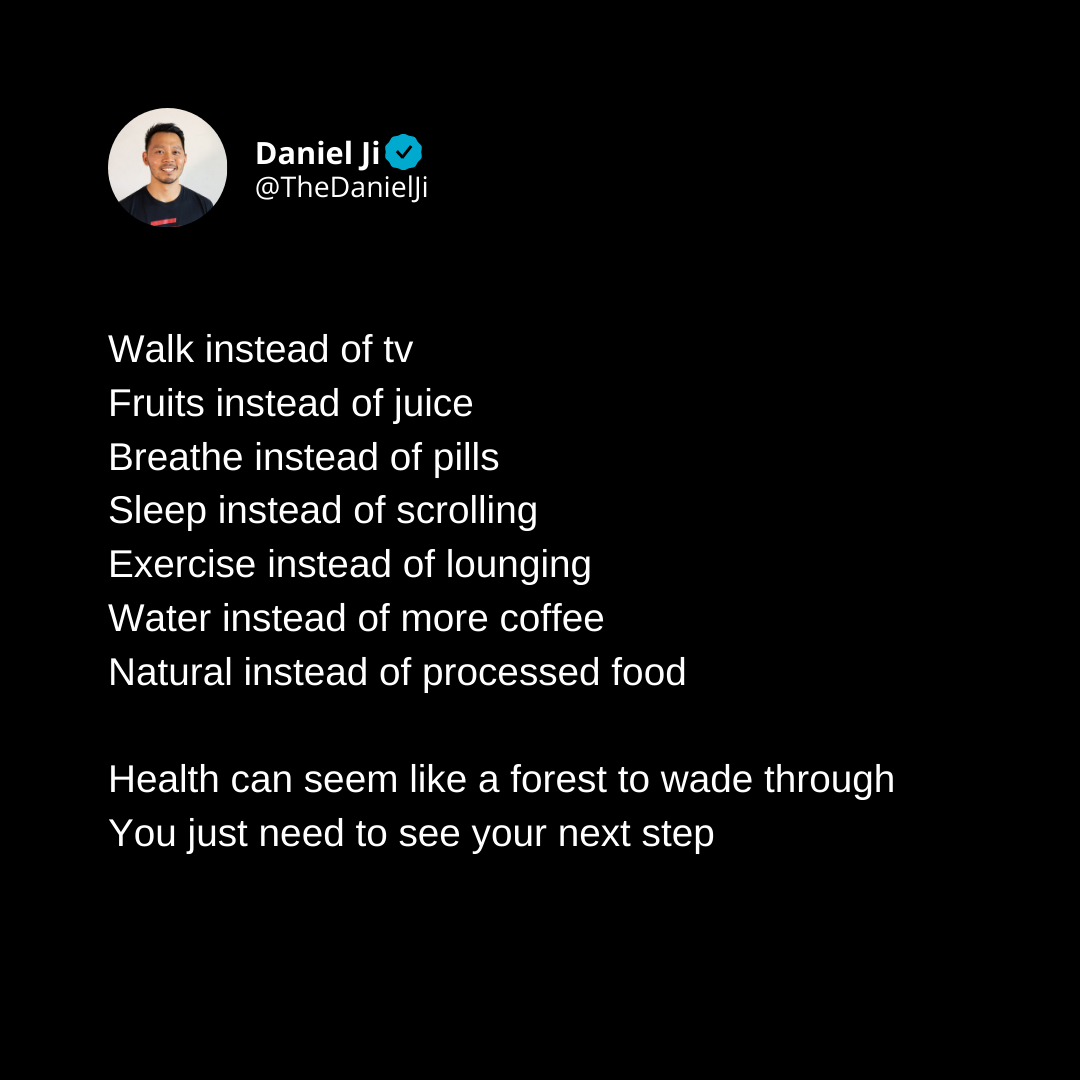
When we dig further, they understand their actions (or lack thereof) will lead to health issues..
What Happens When You Don’t Take Healthy Actions?
Some don’t change their behavior even after a negative diagnosis from a docto
- Overweight
- High blood pressure
- Pre-diabetic or hyperinsulinemia
- Several unhealthy blood panel scores
- High BMI (though not completely accurate)
But why don’t they change their actions?
Some can be explained through priorities in their lives..
- which I wrote about in my previous journal about Setting Goals connected to Identity …
- the basic premise being, people act based on the identity they adopt, and health doesn’t currently fit their identity
Others might not act because they lack the right type of motivation..
- I wrote in another journal the 6 types of motivation and the ones that best lead to success.. the type that supports this journal below is Amotivation…
- A lack of motivation from disinterest, lack of value or assumption of failure
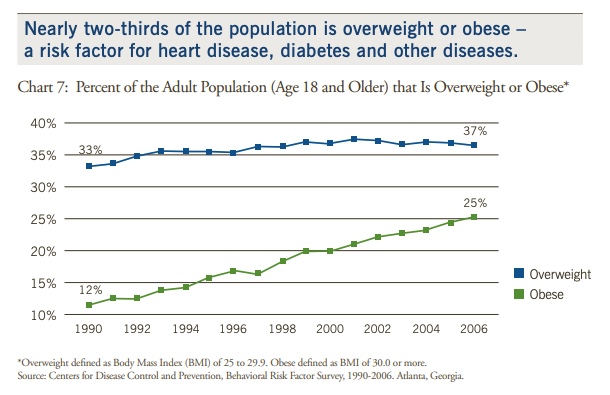
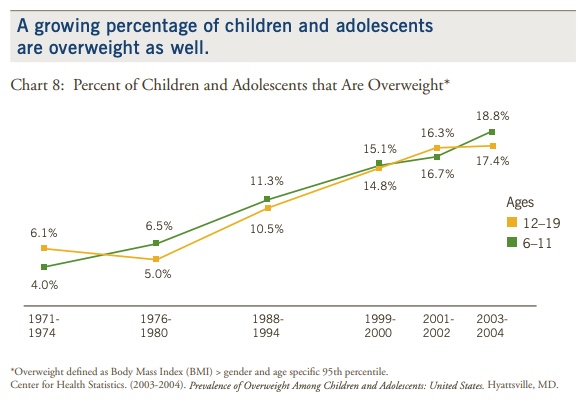
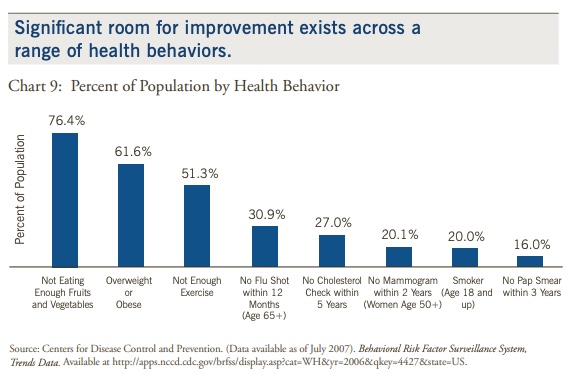
The stats are stacking up every year and the guidelines are clear about how to get healthier. (source: Focus on Wellness )
Overweight and obese population increasing annually…
Behaviors in parents passed down to their children…
Experts say exactly what actions will help change course…
The benefits of changing behaviors..
As well as the risks of not changing behavior are clear as day..
Benefits versus Risks
- Healthspan vs. Lifespan
- more active, independent longevity vs. constant ailments and medical needs
- Sharp Mind vs. Aging Brain
- Good recall, creativity, focus vs. forgetfulness, dementia, alzheimer’s
- Physical Vitality vs. “Getting older”
- Strength, stamina, well balanced vs. injury prone, aches & pains
Protection Motivation Theory helps explain why so many people don’t take these simple actions.
Why People Don’t Take Healthy Actions
The opposite of healthy actions is either..
No action or an unhealthy action
These are both threats to your health.
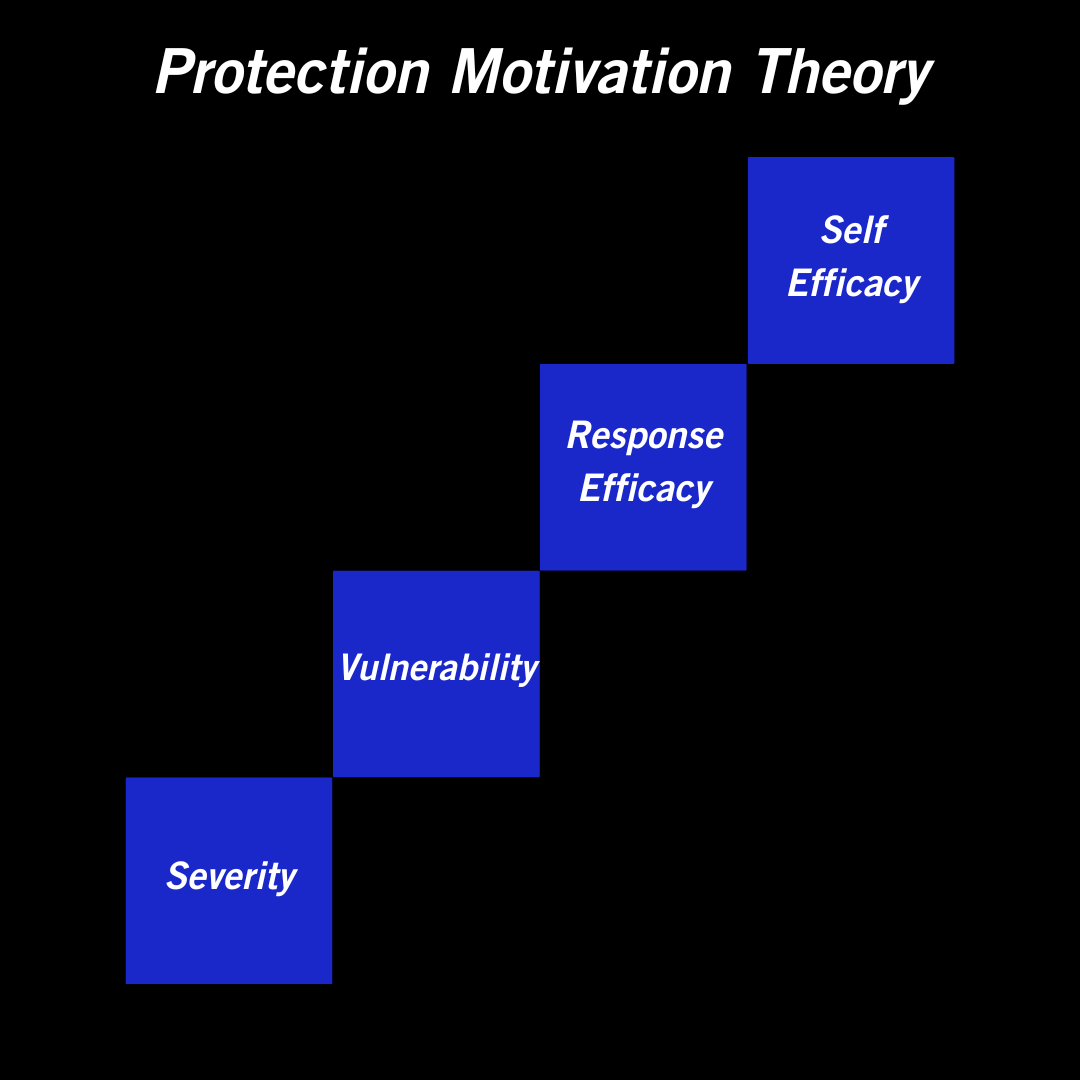
Protection Motivation Theory (Rogers, 1975) explains..
‘how people evaluate threats and decide whether or not to engage in protective behavior’
(Drew, C. (May 29, 2023). Protection Motivation Theory: Definition and Examples. Helpful Professor. https://helpfulprofessor.com/protection-motivation-theory/)
These two factors determine if a person will have protection motivation to take action
- Threat Appraisal (assessing if the threat or risk is big enough)
- Coping Appraisal (assessing if the response and your ability can overcome the risk)
I’ll explain these factors using our example of Healthy Actions.
Threat Appraisal has two parts:
- Severity - how severe the consequences will be if you don’t take healthy actions
- Vulnerability (likelihood) - how likely do you feel you’re at risk of experiencing the consequences of not taking healthy actions
Coping Appraisal has two parts:
- Response Efficacy - how effective you feel the healthy actions will be at addressing the threat
- Self Efficacy - belief and confidence that you have the skills and willingness to be able to take healthy action
- (sub category of Self-Efficacy) Difficulty/ Cost - how much time, energy and effort will the healthy actions take
Most Common Reasons People Don’t Take Healthy Actions
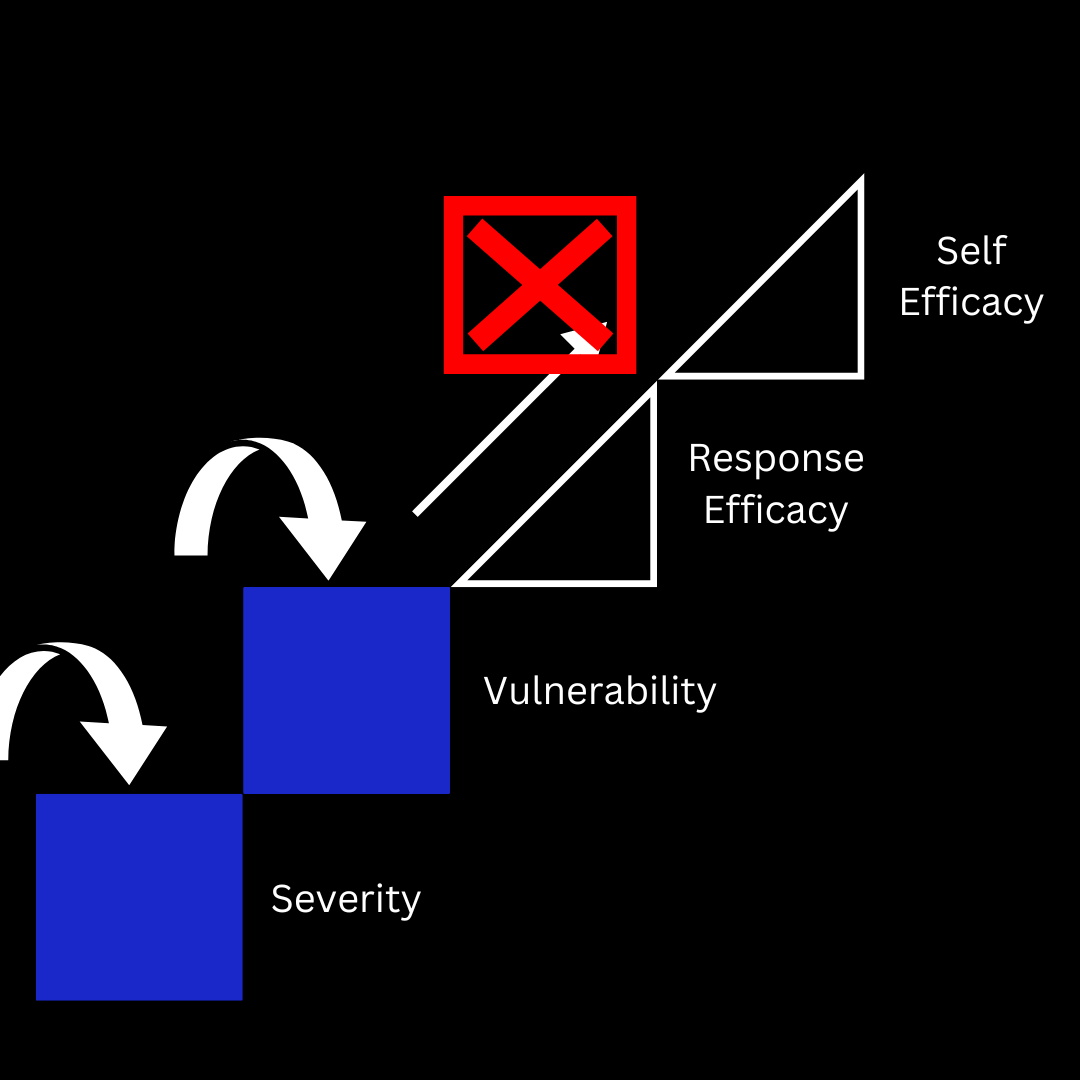
You have to believe the threat is severe enough..
And you are at risk (vulnerability).. for you to consider coping appraisal
Then, you have to believe the action will effectively address the threat (response efficacy)..
And you have the ability to take the necessary action (self efficacy)..
For Protection Motivation to occur.
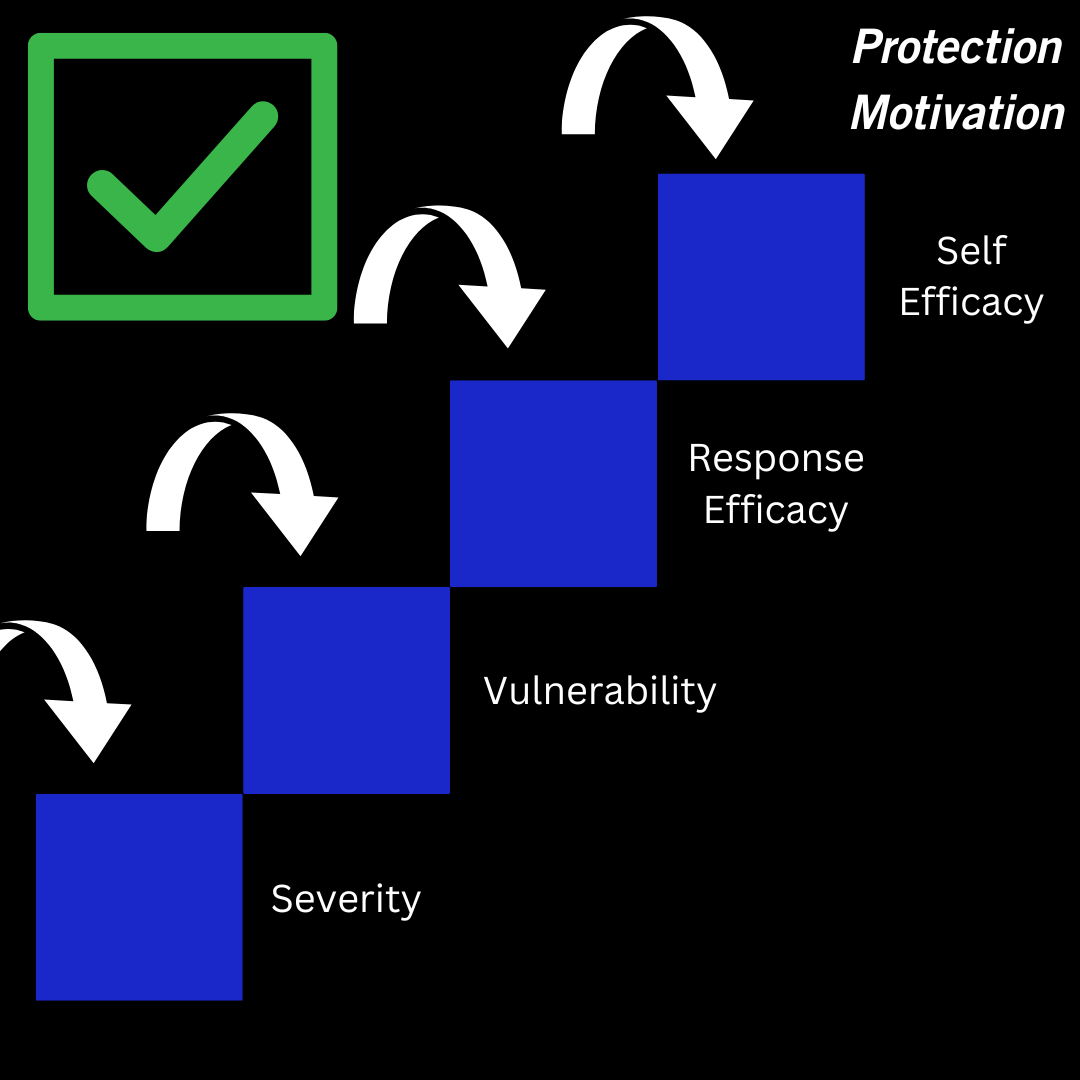
Two meta-analyses conducted by Floyd et al. (2000) and Milne et al. (2000) showed that the coping appraisals provided stronger predictions of protection motivation behavior than threat appraisals…
Meaning the assessment and decision if and how to respond was more important than simply assessing the threat or risk.
Which makes sense because even if the person viewed the threat to be severe or they were personally vulnerable to the threat..
If they:
- felt the action wasn’t going to be effective
- weren’t confident they could complete the action, or
- believed the difficulty/cost was too high
There was a maladaptive response (engage in activities that reduce fear associated with the threat without dealing with the threat itself) (Ben-Ahron et al., 1995)
- Denial
- Avoidance
- Wishful thinking - hoping medical breakthrough will nullify need for behavior change
- Fatalism - believing the adverse consequences are due to fate rather than personal action
- Religious faith - trusting god will provide protection
- Rewards associated with maladaptive response
(Norman, et al., Summary of meta-analyses of protection motivation theory, 2015)
Examples of Why People Don’t Take Healthy Actions
Let’s break down the 3 most common healthy actions most people don’t take..
And their misconceptions..
Example #1: Eating Healthier Foods
- Severity
- if they sell food at the store or restaurants, they must be relatively healthy because of.. laws
- Vulnerability
- I’m not getting sick as soon as I eat it so it must be ok.. I’ve been eating like this for years and I’m fine, I just gained a few pounds
(If they realize they should be eating healthier…)
- Response Efficacy
- I’ve tried diets and didn’t see much results… it’s just a few meals so it won’t make that much of a difference
- Self Efficacy
- I’ve tried to change several times but failed each time so what’s the point… I don’t have the discipline or will power
- Difficulty/ Cost
- Grocery shopping, prepping meals, it’ll cost too much, I can’t eat out with friends, I don’t know how to cook…
Example #2: Exercise and Activity
- Severity
- I can do my daily activities without extra exercise so I seem fine
- Vulnerability
- I haven’t exercised in years and seem ok other than needing some bigger clothes
(If they realize they should exercise and be more active…)
- Response Efficacy
- My friends worked out for a year and barely gained any muscle or lost very little weight
- Self Efficacy
- I can’t do all those crazy exercises I see on the internet… I’m not athletic and afraid I’ll hurt myself
- Difficulty/ Cost
- I don’t have time to or want to spend extra cash for a gym membership, let alone a trainer… I don’t like getting sore or enjoy anything active
Example #3: Getting More Sleep
- Severity
- It’s just a few hours of sleep, it’s nothing more than just feeling a little tired
- Vulnerability
- I’m fine, I’ve had this sleep schedule for years… I’ll sleep in on the weekend
(If they realize they should be getting more and better quality sleep…)
- Response Efficacy
- I tried getting more sleep for a week or two and didn’t feel that much of a difference
- Self Efficacy
- I just can’t fall asleep at night, I’ll just drink some more energy drinks to get through the day
- Difficulty/ Cost
- I need time to relax and play at night, I don’t want to give up my entertainment, I won’t have time to do everything I’m currently doing
Example #4: Misconceptions
Severity - most people don’t define these actions as severe
- Healthy actions don’t feel as urgent as things happening on a daily basis
- Reality is, it’s the daily actions that can lead to health or greater issues
Vulnerability - Most people have the “it won’t happen to me” mindset
- They live day to day thinking life and youth is forever
- Reality is, people don’t understand that their body reacts to poor habits just like the next person
Response Efficacy - society, at least western society, is programmed to want things instantly
- If they don’t see immediate results, they say it doesn’t work
- Reality is, the proof is there but effects of most healthy habits just take time
Self Efficacy - most people lack self-confidence so they avoid taking actions
- They try short term “fixes” that are too strict or challenging so lose hope
- Reality is, the solution is a long term approach with almost insignificantly small baby steps that accumulate over time
(Difficulty / Cost) - The financial costs of healthier foods is comparable to fast food or junk food
- There are plenty of free resources online for nutrition, exercise and sleep
- Reality is, low self-confidence makes the person think of excuses not to change
The Solution: How to Start Taking Healthy Actions
The bigger indicator that you will have protection motivation to act..
Is believing the healthy actions will work (response efficacy)...
And you have the ability to take these healthy actions consistently (self efficacy).
Step 1: Maladaptive Response
You might already know there are risks to your actions..
But ask yourself…
“Am I having any maladaptive responses to…
Eating healthier foods, activity & exercise, or getting more sleep?”
- Denial
- Avoidance
- Wishful thinking - hoping medical breakthrough will nullify need for behavior change
- Fatalism - believing the adverse consequences are due to fate rather than personal action
- Religious faith - trusting god will provide protection
- Rewards associated with maladaptive response
Step 2: Severity and Vulnerability
If you’re not fully aware of the risks from avoiding these healthy actions..
Understanding the basic science of the benefits vs. the risks..
Can help push you away from negative outcomes while pulling you towards positive outcomes.
1. The food you eat, literally becomes your body
- From the past 50 years of health and disease data, how detrimental highly processed food is for your body
2. If you don’t use your muscles through activities and exercise, you will lose them
- This doesn’t only affect your muscles, but your metabolism, absorbing nutrients, bone, heart and brain health
3. Sleep isn’t optional rest time you can replace with more coffee or energy drinks
- Your body and brain performs millions of functions during the day
- They need sleep
If you don’t yet understand the severity and vulnerability..
Subscribe to my newsletter to get more information..
My journals and social media content’s purpose is to:
- Share the science of health & fitness in simple terms
- Help the beginner take that first step
- Be consistent and improve
All while making it a part of your lifestyle.
Step 3: Response Efficacy and Self Efficacy
Once you realize you’ve been having maladaptive responses..
Or accept the severity and your vulnerability to the lack of action…
It’s time for action.
Before we get to the action…
Most people give up or are afraid of starting because they make it too challenging..
Every time they try to change…
They bite off more than they can chew.
The actions need to be as simple as you need to make it..
To be consistent before adding in the next action.
So what action should you take?
Choose from the categories of nutrition, exercise, sleep, or stress management.
Pick 1-3 habits to improve in the next 1-2 weeks.
The lowest hanging fruit for each category is:
Nutrition
- Drink more natural clean water
- Eat more protein at each meal
- Include some healthy fats
- Add some leafy green & colorful vegetables
- Eat fruits and root vegetables in place of processed carbs
Exercise
- Start with walking more daily 10k steps
- Add in some basic stretches
- Learn and practice basic exercises technique (squat, hip hing, single leg, upper body push, upper body pull, core variety, a form of cardio)
- Make a routine of a simple program that’s not too taxing on your lifestyle
Sleep
- Sleep at least 7 hours per night
- Make where you sleep dark, quiet, and cool
- Have a routine sleep and wake time
- Help regulate your circadian rhythm by being in the sun from sunrise, at times during the day and at sunset
Stress management
- Overthinkers - journal everything on your mind and start to plan out your day so you’re not frantic all day (off your mind, put on paper)
- Work stress - take breaks every 60-90 minutes, your brain can operate optimally for so long (work needs rest, rest improves work)
- Anxiety - avoid stimulants coffee, energy drinks, green tea; better posture and deep breathing breaks throughout the day; release energy through exercise
Stress can seem personal and individualized..
But most people experience similar stressors throughout life.
A different way of viewing the situation and the world, can help (reframing)
Prolific authors, philosophers, and spiritual leaders have great perspectives for these..
Conclusion
Protection motivation theory can be seen as a fear based motivator..
But like I mentioned above..
It’s good to have motivators that help push you away from negative outcomes..
While having motivators pulling you towards positive outcomes.
Examples of these positive motivators can be found in my other journals here:
Hope this brings some clarify to why you haven’t been able to take healthy actions
And you start kicking your health into gear.
Good luck!
_______________________________________________________________
When you're ready, there are 3 ways I can help you:
1. Strategy Session - Instantly clarify your strategy for your exercise program, nutrition, or exercise technique. Book a call to get detailed answers to your immediate questions. Message me on twitter or instagram to schedule this call.
2. Free guide - I'm building two free guide. First, the most useful habits for your health and fitness goals in 6-weeks. Second, 'Zero-to-One' exercise guide to go safely from zero experience to learning the basics for any fitness goal. Message me if there's anything specific you'd like to learn in this free guide, on twitter or instagram.
3. Connect - simple questions, free content, considering coaching.. connect with me on twitter or instagram.